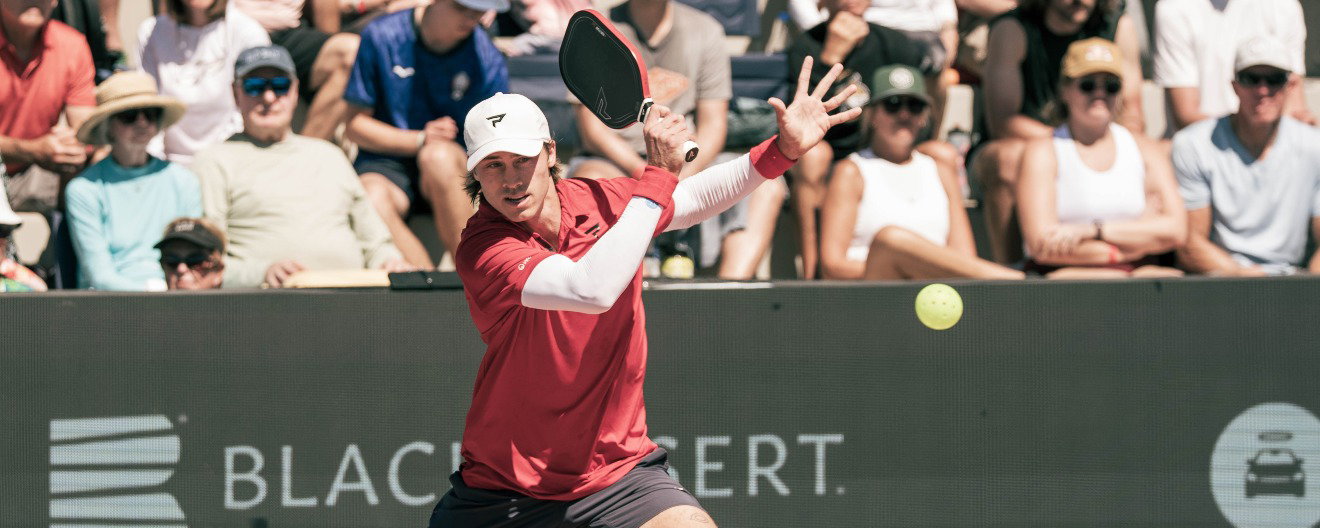
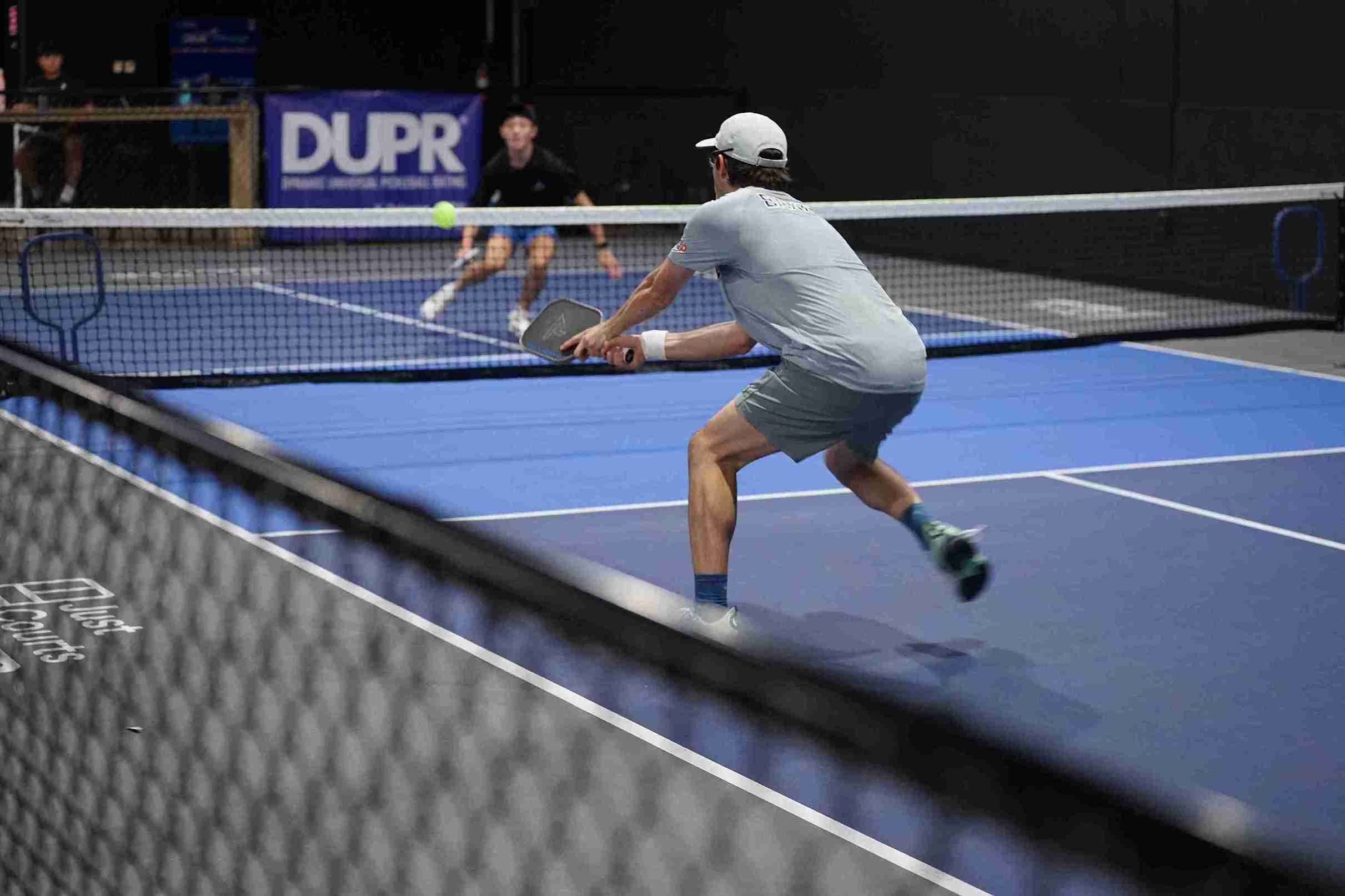
Pickleball elbow doesn't knock politely—it barges in when you least expect it. One day you're dominating the kitchen, the next you're wincing at handshakes and struggling to lift your coffee cup.
This sneaky injury, medically known as lateral epicondylitis, develops gradually through repetitive forearm motions that make pickleball addictive. According to research from the Journal of Emergency Medicine, upper extremity injuries represent a significant portion of pickleball-related medical visits, with elbow problems topping the overuse injury list.
The silver lining? Most pickleball elbow cases are entirely preventable with the right approach.
Understanding Pickleball Elbow Mechanics
Pickleball elbow occurs when the tendons connecting your forearm muscles to the lateral epicondyle (outside of your elbow) become inflamed from repetitive stress. Unlike acute injuries, this condition builds silently over weeks or months.
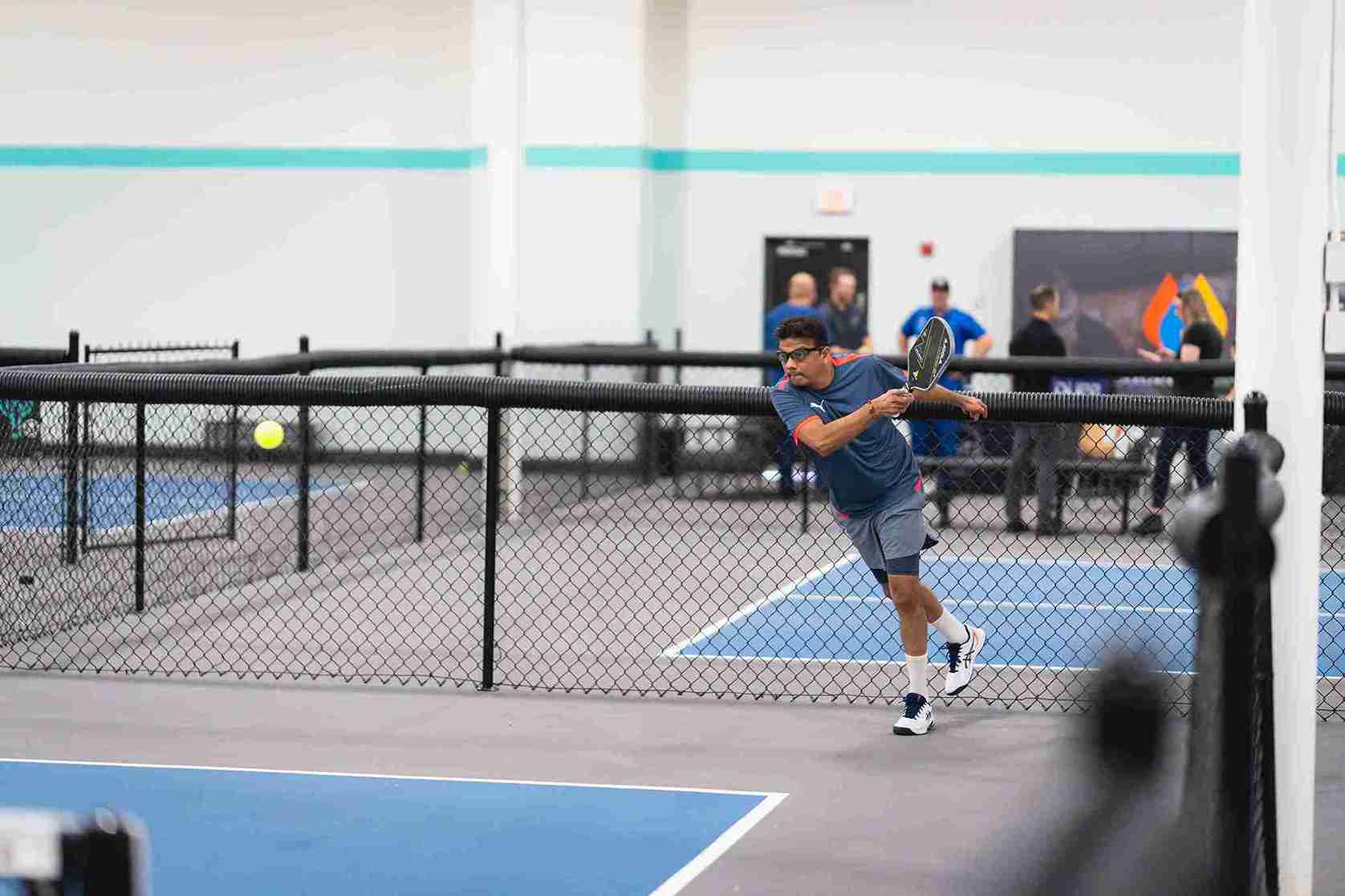
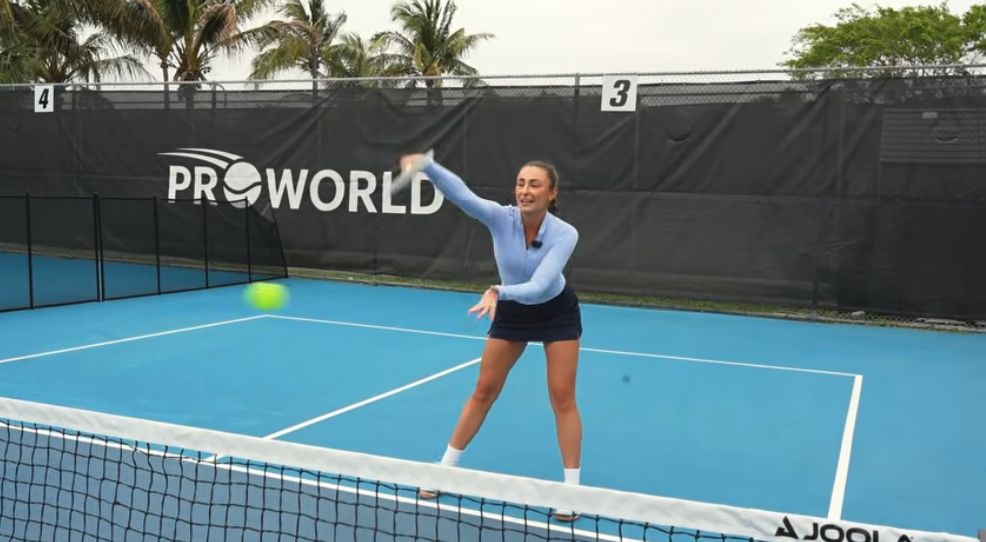
The culprits are familiar movements: aggressive backhands, excessive wrist snapping during serves, and prolonged dinking sessions that strain the same muscle groups repeatedly. Your tendons simply can't recover fast enough between playing sessions.
Essential Strengthening Exercises
Prevention starts with building resilient forearm muscles that can handle pickleball's demands. These research-backed exercises should become part of your routine:
Eccentric Wrist Extensions
Using a light weight (1-2 pounds), extend your wrist upward, then slowly lower it over 3-5 seconds. The controlled lowering motion strengthens tendons more effectively than quick repetitions. Perform 15-20 reps, 2-3 sets daily.
Forearm Flexor Stretches
Extend your arm forward, palm up, and gently pull your fingers toward your body with the opposite hand. Hold for 30 seconds, repeat 3 times per arm. This counteracts the tightness that builds from gripping your paddle.
Grip Strength Training
Squeeze a tennis ball or stress ball for 5-second intervals, then release. This builds the grip endurance needed for long matches without overstraining your forearm muscles.
Form Fixes That Matter
Poor technique amplifies elbow stress exponentially. Small adjustments can dramatically reduce injury risk:
Backhand Mechanics
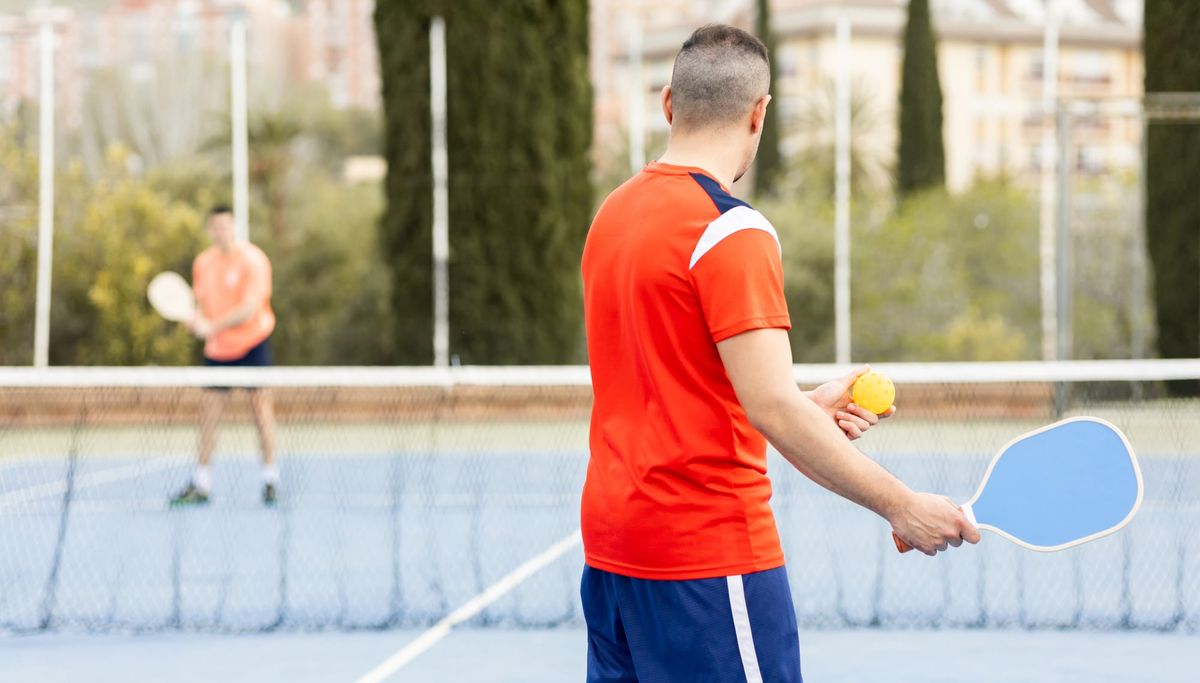
Keep your wrist neutral during backhand shots—avoid excessive flicking motions. Let your shoulder and core generate power rather than snapping your wrist. A smooth, controlled swing distributes force across larger muscle groups.
Serve Technique
Minimize wrist snap on serves by focusing on shoulder rotation and forward momentum. The underhand serving rule actually protects your elbow when executed properly with body rotation rather than arm-only motion.
Dinking Strategy
During extended dink rallies, alternate between forehand and backhand shots when possible. This prevents one side from becoming overloaded during long points.
Smart Equipment Choices
Your paddle and grip significantly impact elbow stress. Making informed equipment decisions provides an additional layer of protection:
Paddle Weight Distribution
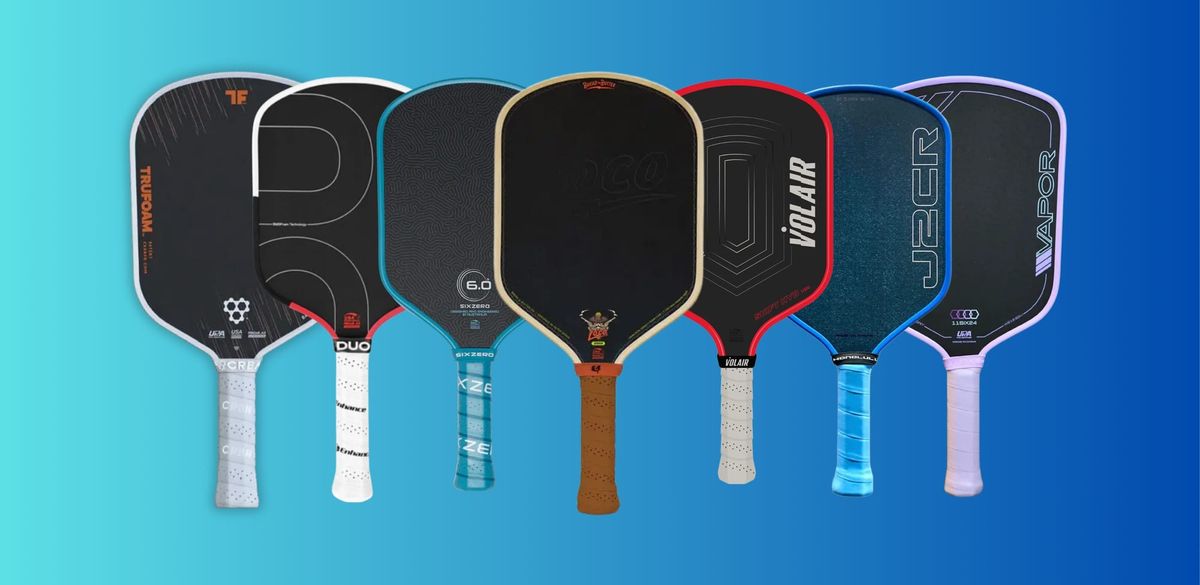
Heavier paddles require more effort to maneuver, increasing forearm strain. Consider paddles in the 7.5-8.2 ounce range with balanced weight distribution. Head-heavy paddles amplify the stress on your elbow during quick reactions.
Grip Size Optimization
An incorrect grip size forces your forearm muscles to work overtime. Your grip should allow a finger-width gap between your fingertips and palm when wrapped around the handle. Too small creates tension, too large reduces control.
String Tension Considerations
Lower string tension reduces the shock transmitted to your arm on impact. If your paddle has adjustable tension, experiment with slightly looser settings to find the sweet spot between control and comfort.
Recovery and Rest Protocols
Prevention includes smart recovery practices between playing sessions. Ice your elbow for 10-15 minutes after intense play, especially if you feel any tenderness. Schedule rest days to allow tissue repair—your tendons need downtime to adapt and strengthen.
Listen to early warning signs: mild soreness after play, stiffness in the morning, or discomfort during daily activities. Address these symptoms immediately rather than playing through them.
Frequently Asked Questions
How often should I do prevention exercises?
Perform strengthening exercises 3-4 times per week on non-playing days, and stretching exercises daily. Consistency matters more than intensity—light, regular work is more effective than occasional intense sessions.
Can I continue playing if I feel mild elbow discomfort?
Mild soreness after play is normal, but pain during play or daily activities signals the need for rest. Take 3-5 days off and focus on gentle stretching and ice. If symptoms persist beyond a week, consult a sports medicine professional.
What's the biggest mistake players make with elbow injury prevention?
Ignoring early warning signs and playing through discomfort. Most serious elbow injuries develop because players push through mild symptoms instead of addressing them early with rest and proper treatment.