The kitchen line determines who wins and loses in pickleball. While most players focus on keeping rallies alive, elite competitors know exactly when to deploy kitchen attack moves from the non-volley zone. These attacking strategies separate recreational players from serious competitors who control points rather than simply survive them.
The Speed-Up: Your Primary Kitchen Attack Weapon
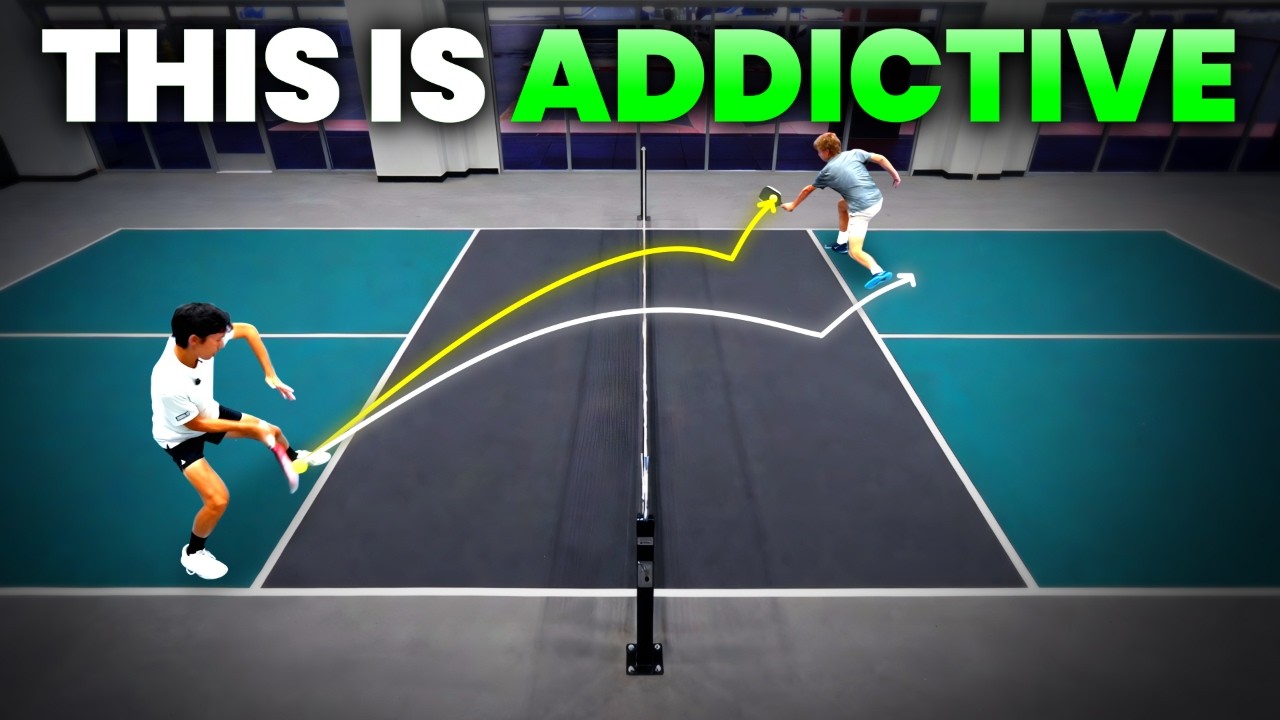
The speed-up ranks as the most effective kitchen attack move for creating immediate pressure. This technique involves driving a hard, low shot directly at opponents, forcing defensive positions or generating errors.
Successful speed-ups require precise timing and smart target selection:
- Wait for balls that bounce above net height
- Target opponent's body or backhand side
- Maintain balanced positioning throughout the shot
- Focus on creating pressure, not necessarily winners
Most players attempt speed-ups on inappropriate balls - shots that are too low or distant. This creates unforced errors that gift points to opponents. Instead, exercise patience and wait for attackable opportunities that allow proper form and power generation.
Air Attack Strategy for Aggressive Net Play
The air attack involves intercepting balls before they bounce by stepping into the kitchen. This aggressive kitchen attack move catches opponents off-guard while maintaining offensive momentum throughout rallies.
Execute successful air attacks with these fundamentals:
- Establish position behind the kitchen line initially
- Step forward into non-volley zone only during ball contact
- Target middle court between opponents or sharp angles
- Time movement with floating dink shots
Footwork Fundamentals for Kitchen Attacks
Proper footwork prevents kitchen faults during air attacks. Plant both feet behind the line, step forward with your lead foot during contact, then immediately return to legal territory. This sequence ensures legal execution while maximizing attacking effectiveness.
Controlled Aggression Approach
Not every situation demands maximum power or aggressive net rushes. Controlled aggression represents the third essential kitchen attack strategy, applying increased pace while maintaining consistency and strategic placement.
This approach proves particularly effective against opponents who struggle with pace variations. Rather than seeking immediate point conclusion, controlled aggression applies steady pressure that accumulates throughout rallies. Each shot gradually pushes opponents out of position or forces them to handle uncomfortable pace levels.
Controlled aggression often outperforms all-out attacking because it maintains higher success rates while still applying meaningful pressure. You're essentially increasing intensity gradually rather than attempting knockout shots that carry higher risk factors.
Strategic Deployment of Kitchen Attack Moves
Choosing appropriate attacking techniques depends on multiple variables: incoming ball height and location, court positioning, and opponent tendencies. Smart shot selection maximizes attacking effectiveness while minimizing unforced errors.
Deploy each strategy based on these situations:
- Speed-ups: When balls bounce above net height with good balance
- Air attacks: When opponents hit floating balls and kitchen entry is legal
- Controlled aggression: When maintaining pressure without excessive risk
Elite players seamlessly blend all three approaches, creating unpredictability that generates mental pressure. This psychological component often proves as valuable as physical shot execution, keeping opponents guessing about incoming attack types.
Timing and Court Positioning
Effective kitchen attack moves require precise timing coordination with optimal court positioning. Players must read incoming shots quickly while maintaining ready positions that enable multiple attacking options.
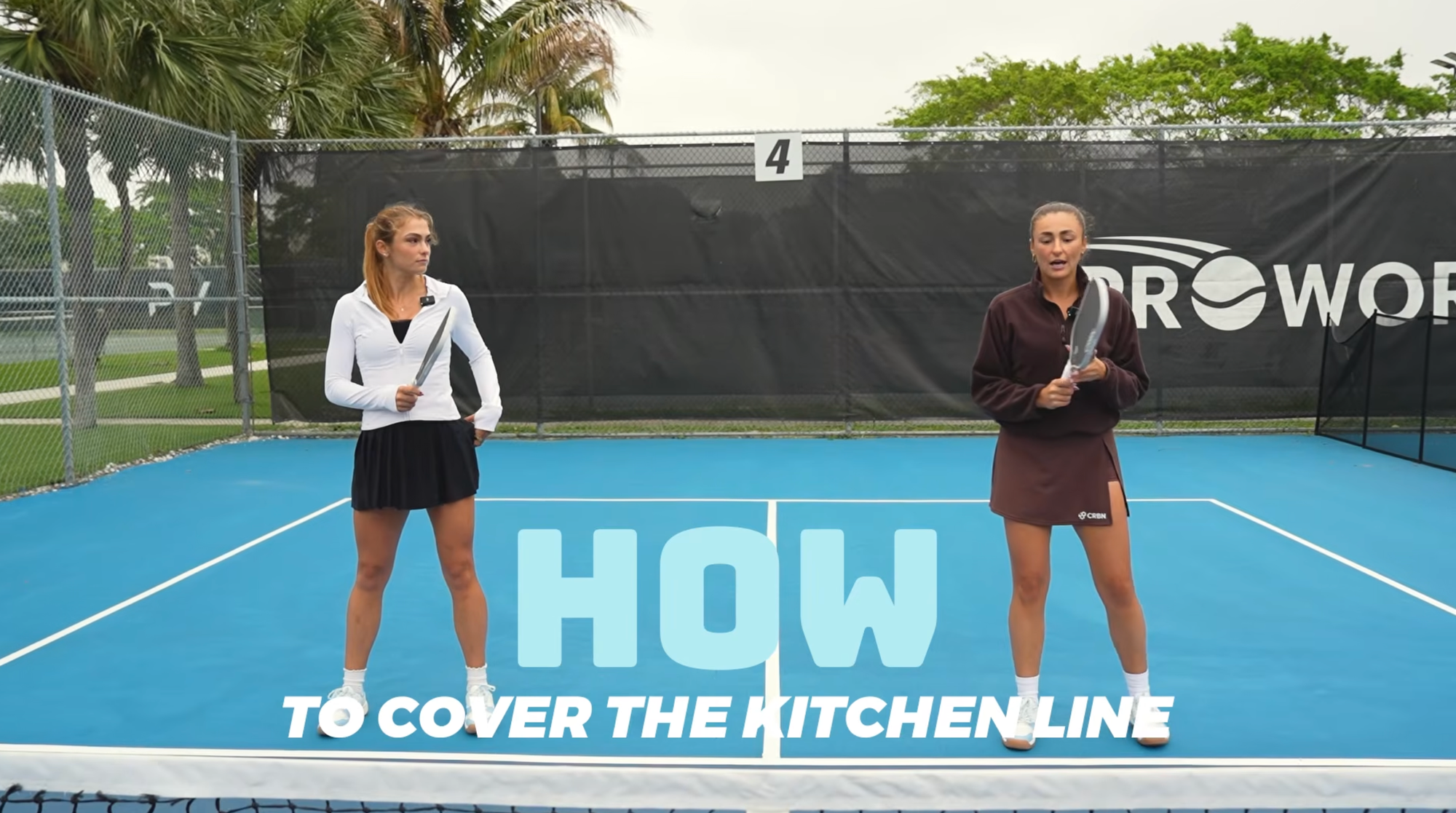
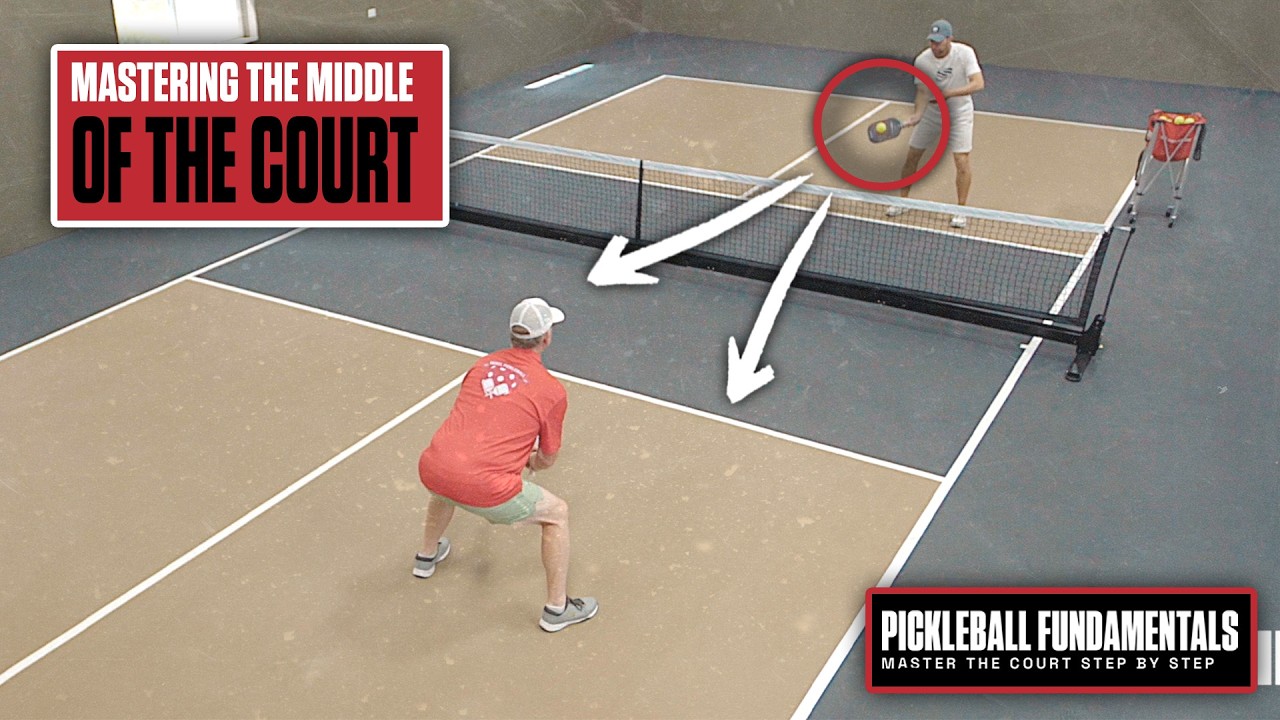
Successful attackers position themselves approximately arm's length behind the kitchen line, allowing forward movement for air attacks while maintaining balance for speed-ups. This positioning provides attacking flexibility while ensuring legal court position throughout rallies.
Watch opponent body language and paddle preparation to anticipate attackable balls. Early recognition allows proper positioning and timing adjustments that significantly improve attacking success rates.
Frequently Asked Questions
What's the biggest mistake players make with kitchen attack moves?
The most common error involves attempting attacks on inappropriate balls - shots that are too low or hit from poor positioning. Players should exercise patience and wait for truly attackable opportunities rather than forcing aggressive shots that create unforced errors.
How can I improve my kitchen attack success rate?
Prioritize shot selection over technique initially. Choose attacking opportunities wisely, ensuring good balance and attackable ball position. Practice all three kitchen attack moves regularly to develop muscle memory and build confidence in execution.
Should I always attack when positioned at the kitchen line?
No, attacking should remain situational based on ball quality and court positioning. Sometimes patient dinking proves more effective until better attacking opportunities develop. Forced attacks often result in errors or weak shots that provide opponents easy counter-attacking chances.
Which kitchen attack move should beginners focus on first?
Beginners should master controlled aggression before attempting speed-ups or air attacks. This approach builds confidence while teaching proper timing and shot selection fundamentals that apply to all attacking strategies.