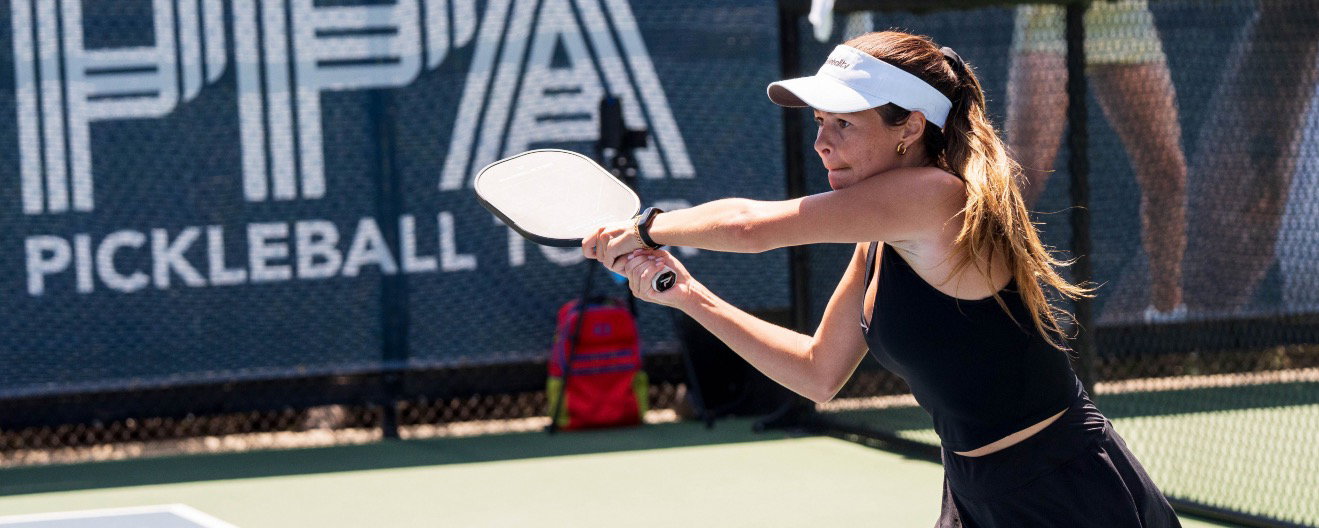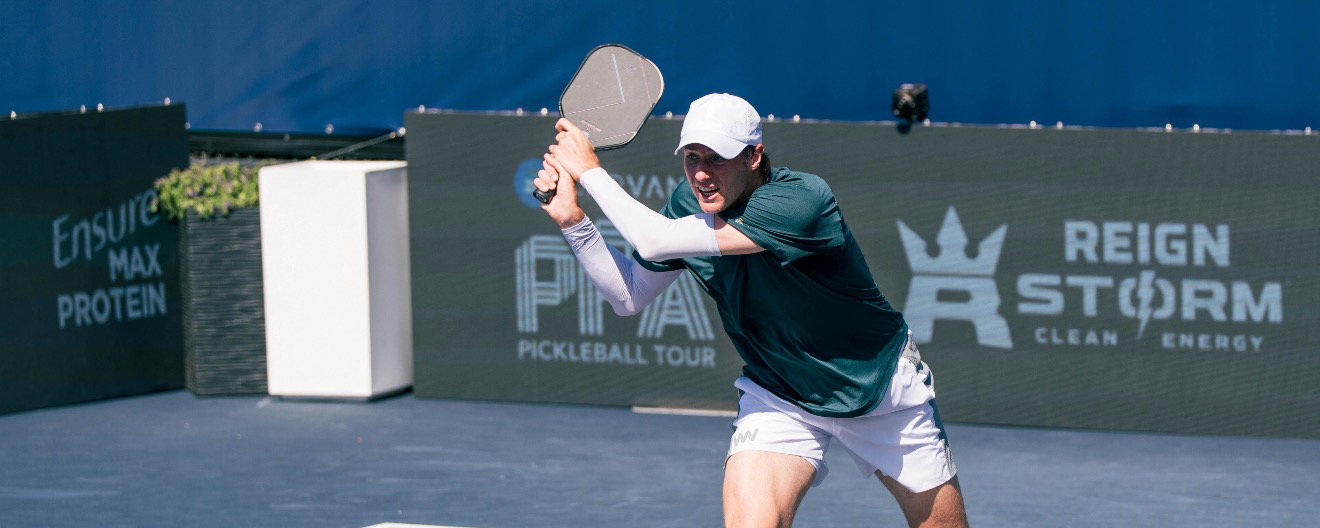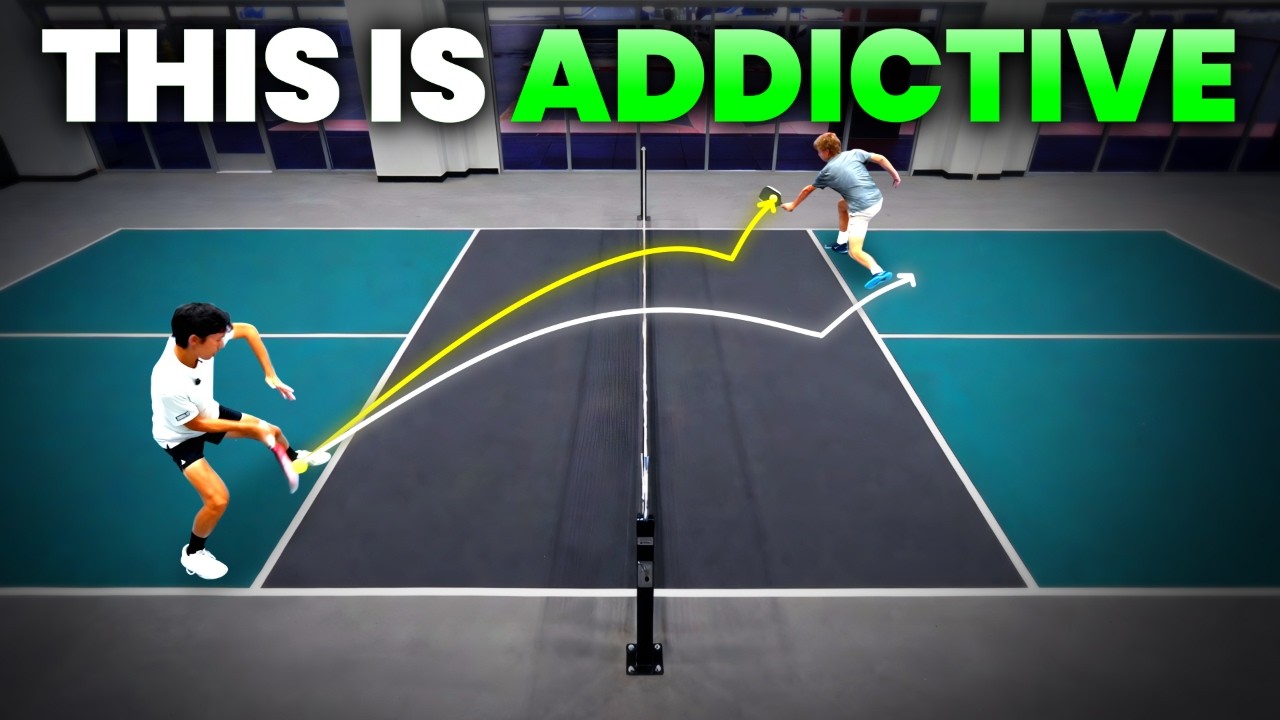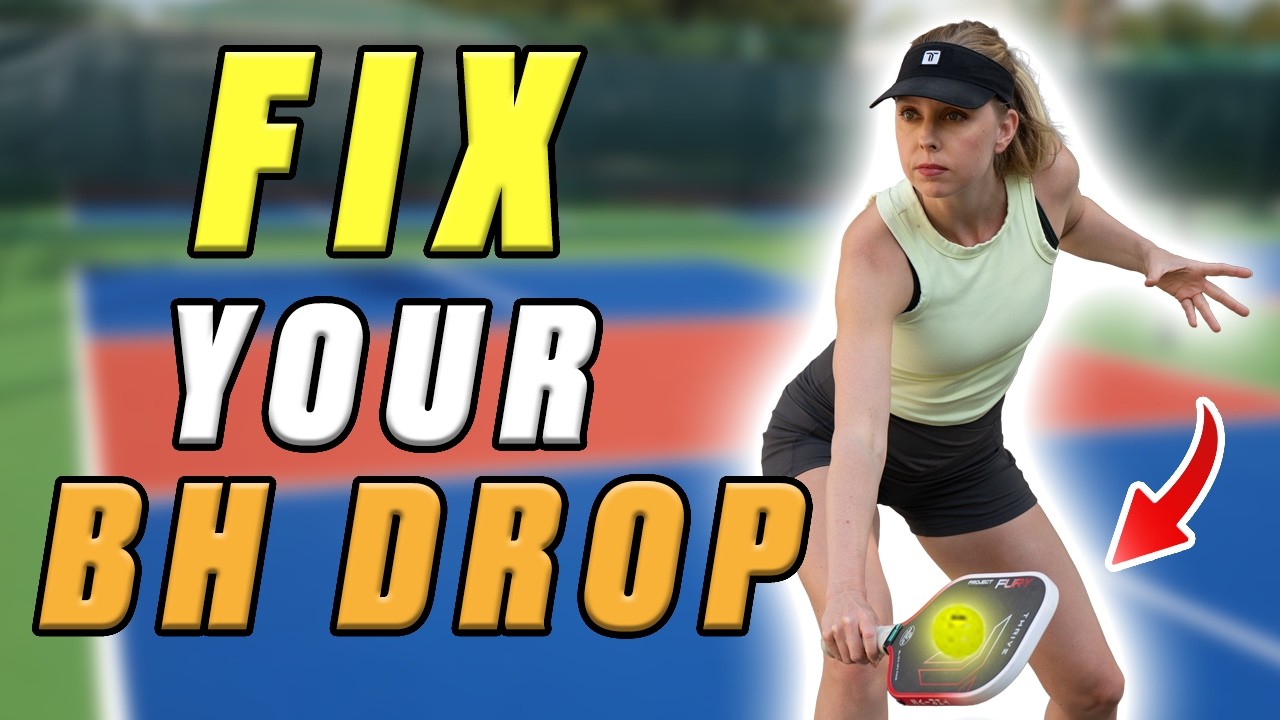
The backhand drop shot represents one of pickleball's most challenging yet rewarding skills to master. While many players instinctively avoid this shot and run around to hit forehands instead, developing a reliable backhand drop shot can completely transform your court presence and strategic options.
Smart opponents quickly exploit predictable players who avoid their backhand. When you master the backhand drop shot, you become unpredictable, cover more court effectively, and gain access to winning angles that were previously impossible.
Why the Backhand Drop Shot Challenges Most Players
The backhand drop shot requires a completely different approach than power shots. Most recreational players struggle because they apply the same aggressive mindset used for drives and volleys, leading to inconsistent results.
Expert coach analysis reveals four primary issues that plague developing players:
- Inconsistent contact point - Making contact too late or early destroys accuracy
- Improper paddle angle - Wrong face position prevents soft, controlled placement
- Poor weight transfer - Body mechanics don't support the shot's finesse requirements
- Mental hesitation - Lack of confidence creates tentative, ineffective execution
Understanding these common pitfalls helps you focus your practice sessions on the most impactful improvements first.
Essential Backhand Drop Shot Technique
Grip and Setup Fundamentals
Start with a continental grip that enables natural paddle face control. Position your feet shoulder-width apart with knees slightly bent and weight centered. Hold the paddle firmly but relaxed, allowing subtle adjustments during contact.
Perfect Your Preparation
Keep your backswing compact and controlled. Unlike power shots, the backhand drop needs minimal preparation. Focus on shoulder rotation rather than arm swing, maintaining the paddle head above your wrist throughout the motion.
Contact Point Precision
Make contact slightly in front of your body with the paddle face open but not excessively tilted. Consistency is crucial - practice hitting from the identical contact point repeatedly until muscle memory develops naturally.
The follow-through should flow smoothly toward your target. Think of "painting" the ball toward the kitchen rather than hitting it aggressively.
Progressive Training System for Backhand Drops
Don't expect immediate perfection with your backhand drop shot. Professional coaching methodology emphasizes systematic skill building through structured phases.
Weeks 1-2: Foundation Building
Practice against a wall, focusing purely on paddle control and consistent contact. Aim for 50 consecutive controlled hits before progressing.
Weeks 3-4: Court Application
Move to court-based practice with a partner feeding balls from the kitchen. Concentrate on landing shots consistently in the opponent's kitchen zone.
Weeks 5-6: Movement Integration
Incorporate lateral movement while practicing drops. Focus on maintaining technique quality while moving and recovering position efficiently.
Week 7+: Game Situation Mastery
Apply your backhand drop shot in recreational games before using it competitively. Build confidence through successful repetition.
Mental Game and Confidence Building
Confidence plays a crucial role in backhand drop shot success. Many players defeat themselves mentally before attempting the shot, creating a self-fulfilling prophecy of failure.
Develop unshakeable trust in your technique through consistent, focused practice. Don't abandon your backhand drop after a few misses during games - even professional players miss drops occasionally.
The goal isn't perfection but reliability. You need a shot you can count on when tactical situations demand it. Mental resilience comes from knowing you've put in the practice time and trusting your preparation.
Visualization exercises help build confidence. Spend time mentally rehearsing successful backhand drops before stepping onto the court for games.
Strategic Integration of Your Backhand Drop
Once developed, your backhand drop shot becomes a powerful strategic weapon. Use it to slow down aggressive opponents who thrive on pace and rhythm.
The shot creates angles that weren't previously available from your backhand side. This expanded shot selection forces opponents to cover more court, opening opportunities for winners in other areas.
Your improved court positioning becomes another major advantage. Instead of running around backhands, you can hold your ground and maintain better balance for the next shot.
The psychological impact shouldn't be underestimated. Opponents who previously targeted your backhand will need to adjust their strategy when you can effectively neutralize their attacks with quality drops.
Common Mistakes to Avoid
Learning the backhand drop shot involves avoiding several predictable mistakes that slow progress and build bad habits.
Over-hitting remains the most common error. Players try to do too much with the shot, either hitting too hard or attempting overly precise placement before mastering basic consistency.
Inconsistent practice schedules prevent muscle memory development. Sporadic training sessions won't build the reliable technique you need for game situations.
Abandoning the shot too quickly after misses during games undermines confidence. Stick with your backhand drop even when it's not perfect - improvement comes through game application, not just practice.
Frequently Asked Questions
How long does it take to develop a reliable backhand drop shot?
With consistent practice, most players see significant improvement within 4-6 weeks. However, developing true confidence and game-situation reliability typically takes 2-3 months of regular training and application.
Should I use the same technique for backhand drops from different court positions?
The basic technique remains consistent, but you'll need to adjust paddle angle and follow-through based on your position relative to the net. Deeper court positions require more lift, while closer positions need more precision and less arc.
What's the most common backhand drop shot mistake?
Most players try to do too much with the shot initially, either hitting too hard or attempting overly precise placement. Focus first on consistent contact and getting the ball over the net into the kitchen before worrying about pinpoint accuracy.
How often should I practice backhand drops?
Daily practice sessions of 15-20 minutes produce the best results. Consistent repetition builds muscle memory faster than longer, infrequent sessions.
When should I start using backhand drops in games?
Begin incorporating your backhand drop shot in recreational games once you can land 7 out of 10 shots in the kitchen during practice. Game application accelerates learning and builds confidence.