The hallmark of elite pickleball players isn't their individual shot power—it's their ability to orchestrate strategic sequences that put opponents in impossible situations. While recreational players focus on reacting to incoming balls, professionals are already visualizing their next two moves before making contact.
This tactical approach, known as combo play, represents the critical bridge between intermediate and advanced pickleball. PPA Tour professional John Cincola has identified five fundamental two-shot patterns that consistently appear in high-level competition, offering recreational players a roadmap to strategic excellence.
Why Two-Shot Thinking Transforms Your Game
Traditional pickleball instruction emphasizes shot technique, but advanced play requires sequence planning. Each shot becomes a setup for the next, creating pressure that compounds with every exchange. This methodical approach allows you to:
- Control rally tempo and positioning
- Force opponents into defensive reactions
- Create predictable attack opportunities
- Reduce unforced errors through intentional placement
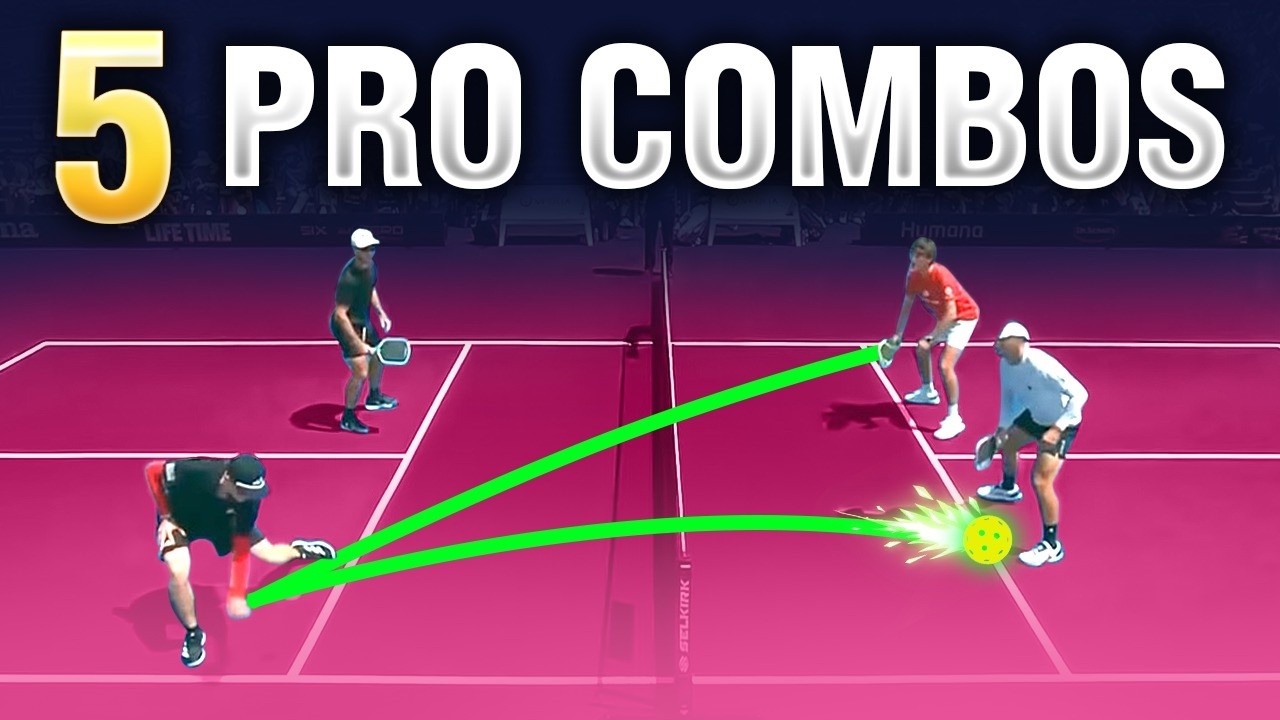
The Five Essential Pro Combinations
1. The Serve-and-Attack Pattern
Professional players use deep, penetrating serves to push opponents behind the baseline, then immediately position for an aggressive third shot. The serve placement—particularly to the backhand corner—limits return angles and telegraphs where the next ball will land.
Execute this by serving deep to the backhand, then moving forward while preparing for either a driving attack or soft drop shot based on the return height and speed.
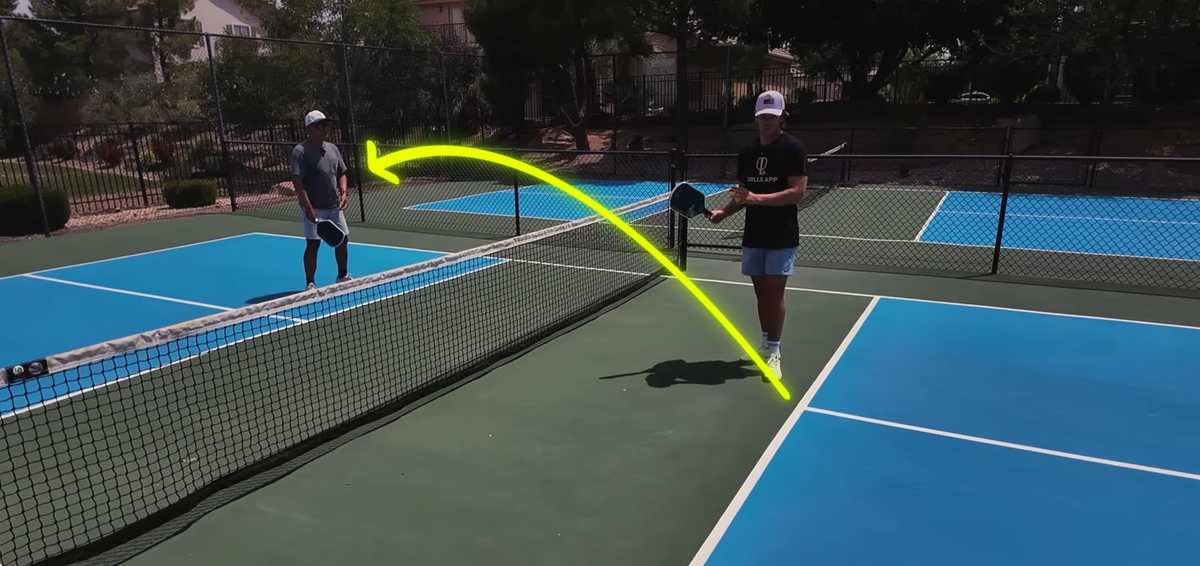
2. The Cross-Court Reset to Straight Attack
This combination uses geometry to create openings. Start with a cross-court dink that pulls your opponent wide, then immediately target the vacated straight-ahead space with your follow-up shot.
The key is patience—the first shot sets up court positioning, while the second shot exploits the gap you've created.
3. The High-Low Sequence
Pros masterfully use elevation changes to disrupt opponent rhythm. Begin with a deliberately higher dink that forces your opponent to hit upward, then immediately prepare for an aggressive putaway when they inevitably pop the ball up.
This pattern works because players struggling with high dinks rarely have the touch to keep their response low.
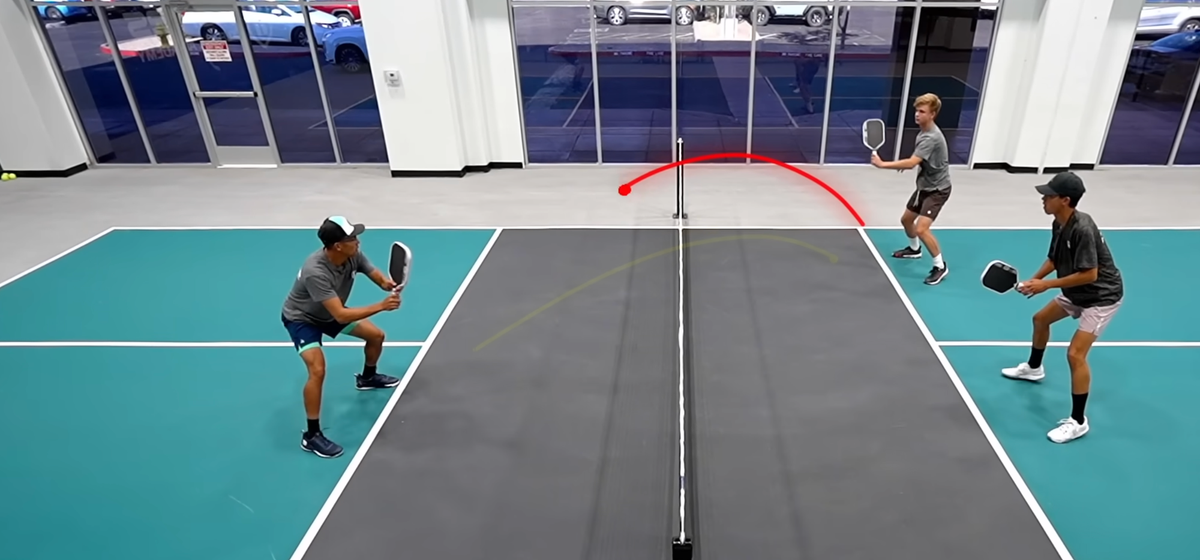
4. The Fake Drop to Drive Combo
Deception amplifies the effectiveness of basic shots. Set up with body language suggesting a soft third shot drop, then surprise opponents with a powerful drive to their feet or backhand side.
The success depends on selling the fake—use identical preparation for both shots until the moment of contact.
5. The Patience-to-Attack Transition
Professional players excel at extending neutral rallies until opponents crack under pressure. Maintain consistent, deep dinks that gradually increase pace and pressure, then capitalize immediately when your opponent provides a high ball.

Implementation Strategy for Recreational Players
Incorporating combo thinking requires deliberate practice and mental discipline. Start by choosing one pattern and practicing it repeatedly during drilling sessions. Focus on:
- Consistent execution of the setup shot
- Immediate positioning for the follow-up
- Reading opponent reactions to adjust your approach
- Maintaining patience when combos don't immediately succeed
Remember that combo effectiveness increases with repetition. Your opponents will begin anticipating and reacting to your patterns, which creates new opportunities for variation and misdirection.
Mental Game Integration
The transition from reactive to strategic play requires a fundamental mindset shift. Instead of hoping for opponent errors, you're actively creating circumstances that force mistakes.
This approach reduces the pressure on individual shots while increasing overall point control. Each shot becomes part of a larger tactical framework rather than an isolated attempt to win immediately.
Frequently Asked Questions
How long does it take to master two-shot combinations?
Most players see improvement within 2-3 weeks of focused practice, but mastery requires several months of consistent application during match play. The key is starting with one or two patterns before expanding your repertoire.
Should I use combos against all opponent skill levels?
Combo effectiveness varies by opponent level. Against beginners, simple consistency often suffices. However, as you face stronger players, strategic combinations become essential for creating opportunities and maintaining competitive advantage.
What's the biggest mistake when learning combination play?
Rushing the sequence is the most common error. Each shot in a combination must be executed properly before advancing to the next. Focus on setup shot quality first, then gradually increase the pace and aggression of your follow-up attacks.