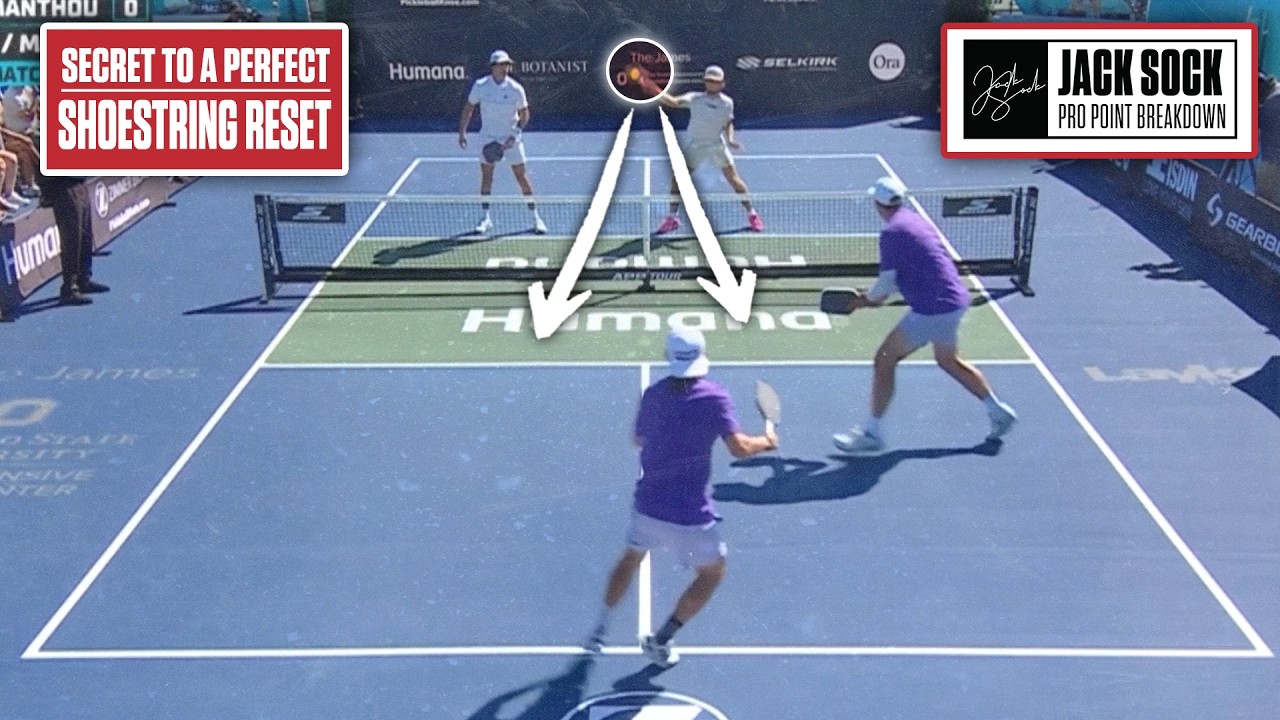
The shoestring volley represents one of pickleball's most precarious situations, and professional tennis player Jack Sock has broken down exactly why this low shot puts players at such a devastating disadvantage. Understanding this tactical weakness can transform your court positioning and dramatically improve your win rate.
What Makes the Shoestring Volley So Dangerous
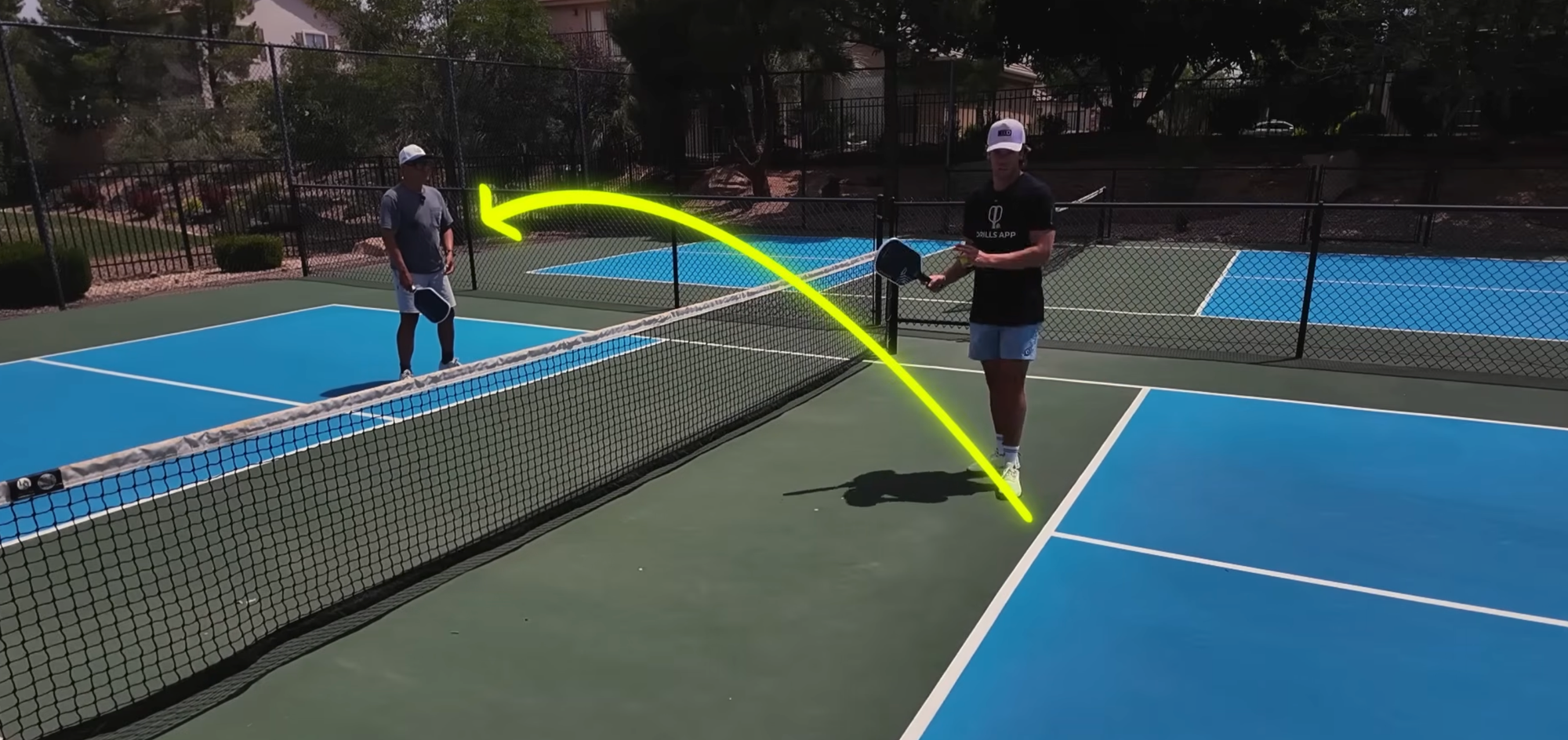
A shoestring volley occurs when players attempt to hit a ball near ground level—typically at ankle or shin height. The name derives from striking the ball so low it's essentially at shoelace level. This scenario frequently develops when players fail to advance quickly enough toward the kitchen line after opponents execute soft shots that drop near the net.
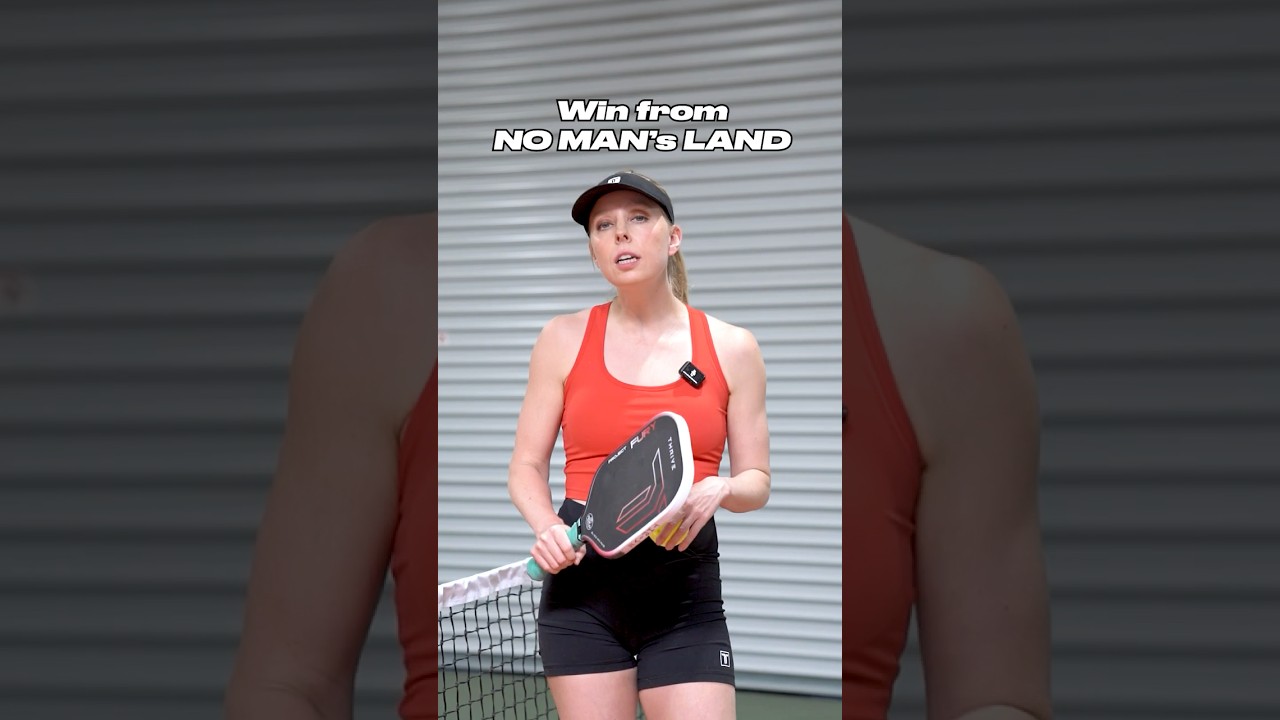
The fundamental issue extends far beyond the awkward mechanics of executing such a low shot. Players caught in this position find themselves trapped in the dreaded "no-man's land"—that vulnerable middle territory between the baseline and non-volley zone where offensive power disappears and defensive capabilities crumble.
The Strategic Nightmare of No-Man's Land
When executing shoestring volleys, players face multiple tactical disadvantages simultaneously. First, the extremely low contact point severely limits shot selection and power generation. Players can only lift the ball over the net with minimal pace, essentially gifting their opponents easy attacking opportunities.
Second, the middle court position leaves players exposed to aggressive returns from opponents who've likely established strong net positions. With limited mobility and compromised shot options, defending becomes nearly impossible against well-placed attacks.
Court Positioning Fundamentals
Effective pickleball strategy revolves around controlling specific court zones. The baseline provides power and time for shot preparation, while the kitchen line offers aggressive net play opportunities. The middle zone, however, combines the worst aspects of both positions—too far from the net for aggressive volleys, yet too close for powerful groundstrokes.
How Players Get Trapped in Shoestring Situations
Most shoestring volleys result from poor transition timing rather than inherent technical flaws. Players often hesitate after hitting approach shots, failing to capitalize on momentum that should carry them forward to optimal net positions.
Another common mistake involves misreading opponent intentions. When facing soft shots or drops, players must immediately recognize the tactical shift and adjust positioning accordingly. Delayed reactions create those dangerous middle-court scenarios where shoestring volleys become inevitable.
Recognition and Prevention
Developing court awareness helps players identify potential shoestring situations before they develop. Key warning signs include:
- Slow or hesitant forward movement after approach shots
- Opponents executing soft shots while you're mid-court
- Finding yourself more than two steps from either baseline or kitchen line
Improving Transition Speed and Court Coverage
Prevention begins with aggressive forward movement patterns. After executing approach shots, players should immediately advance toward the kitchen line with purposeful steps. This proactive positioning eliminates most shoestring scenarios before they develop.
Developing better split-step timing also improves court coverage efficiency. Players should establish ready positions just as opponents make contact, allowing for explosive movement in any direction based on shot selection.
Movement Drills for Better Positioning
Practice transitioning from baseline to kitchen line with various shot combinations. Start with approach shots followed by immediate forward movement, focusing on reaching optimal net positions before opponents can execute counter-attacks.
Shadow drills without balls help develop muscle memory for proper movement patterns. Visualize different scenarios and practice appropriate positioning responses until movements become automatic during actual play.
When Shoestring Volleys Become Unavoidable
Despite best positioning efforts, some situations will require shoestring volleys. When trapped in these scenarios, focus on shot placement rather than power. Aim for opponents' feet or sharp cross-court angles that create time for recovery positioning.
Immediately after executing unavoidable shoestring volleys, prioritize reaching either baseline or kitchen line positions. Remaining in no-man's land guarantees continued vulnerability to opponent attacks.
Frequently Asked Questions
How can I avoid getting caught in no-man's land during rallies?
Focus on aggressive forward movement after approach shots and develop better court awareness to recognize when opponents are setting up soft shots that require immediate positioning adjustments.
What's the best shot selection when forced into a shoestring volley?
Prioritize placement over power—aim for opponents' feet or sharp angles that buy time for repositioning. Avoid attempting aggressive shots from such compromised positions.
How do professional players minimize shoestring volley situations?
Pros maintain constant forward pressure during rallies and use superior court awareness to anticipate opponent shot selection, allowing them to position proactively rather than reactively.